The Editing Effect: How Message Edits and Deletions Shape Perception and Trust in Conversations
 Mia Bennett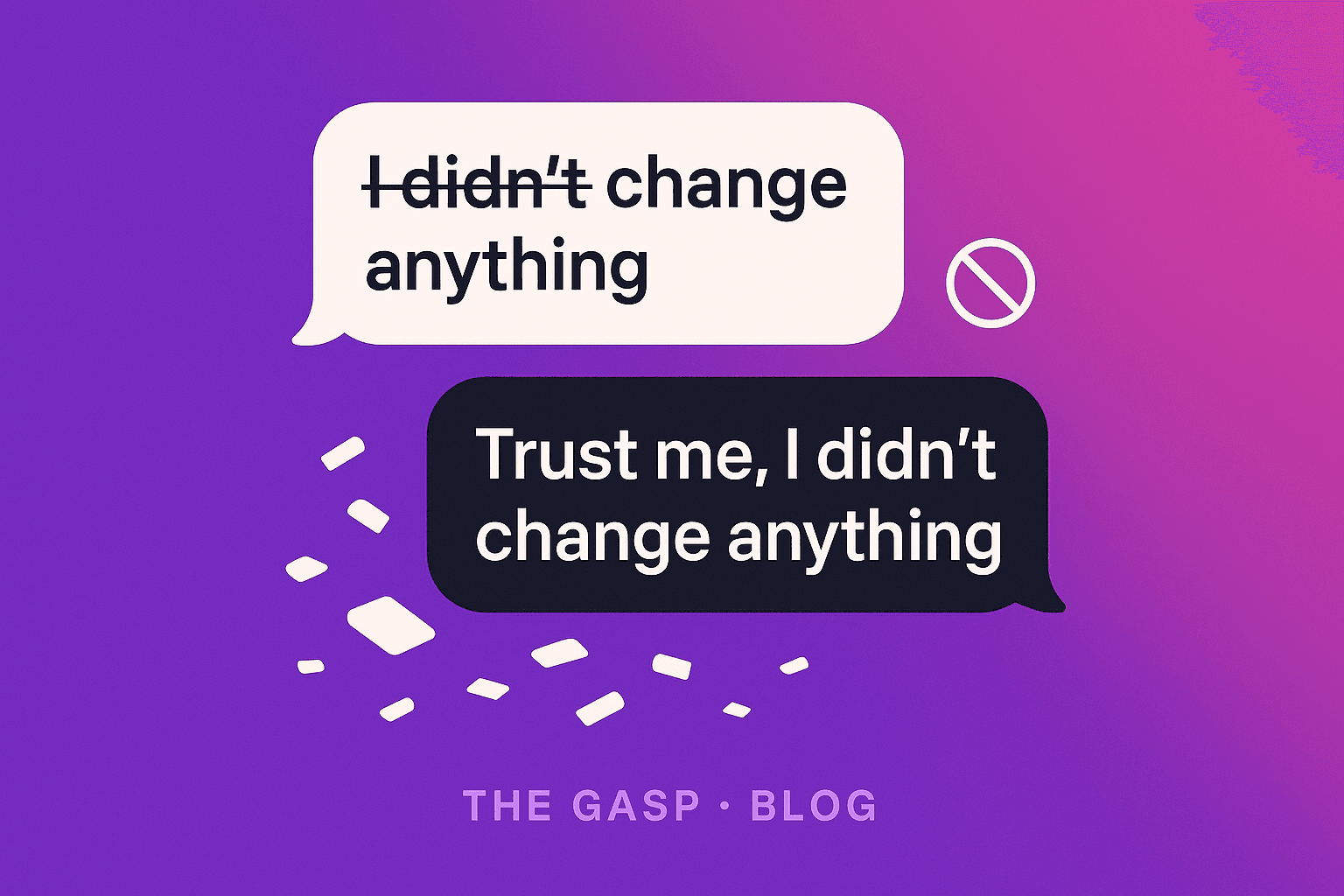
The way we communicate in the digital age has evolved rapidly, with text messaging becoming a primary mode of interaction. As platforms like WhatsApp and iMessage offer features to edit and delete messages, they introduce new dynamics into our conversations. These capabilities have the potential to reshape perceptions and trust between participants. The question is: how do these features impact our communication and the relationships we cultivate through them?
The Power of Editing
Editing a message after sending it can serve as a double-edged sword. On one hand, it allows the sender to correct mistakes that could lead to misunderstandings or misinterpretations. A hastily typed message riddled with autocorrect errors can be refined to convey the intended tone and meaning. This aspect of editing fosters clearer communication, potentially strengthening trust by ensuring that the message received is the message intended.
However, the ability to edit also opens the door to manipulation. When a message is altered, it can create ambiguity about the original intent. Recipients may wonder what was changed and why, leading to doubt about the sender's transparency. This uncertainty can subtly erode trust, especially if edits become a frequent occurrence without clear communication about the reasons behind them.
The Impact of Deletions
Deletions, unlike edits, remove the message entirely from the conversation. This action can signify a desire to retract a statement, either because it was sent in error or upon reflection, deemed inappropriate. In such cases, deleting a message can be seen as an attempt to maintain harmony and protect the relationship from potential conflict.
On the flip side, deletions can breed suspicion. A removed message leaves a visible trace, prompting questions about its content and the sender's motives. Did the message contain sensitive information? Was it an emotional outburst quickly regretted? The recipient is left to fill in the blanks, often relying on their assumptions, which can be influenced by past interactions and existing trust levels.
Perception and Trust: A Delicate Balance
The crux of the matter lies in how these actions: edits and deletions: are perceived by the recipient. In a world where tone and context are already challenging to convey through written text, additional layers of ambiguity can complicate matters further. The sender's intentions might be benign, aiming to enhance clarity or prevent misunderstandings. Yet, the recipient's interpretation can hinge on the frequency and context of these edits and deletions.
For example, in professional settings, frequent message edits might be perceived as a lack of confidence or decisiveness. Meanwhile, in personal relationships, excessive deletions could trigger feelings of insecurity or distrust. The key is to balance the necessity of correcting mistakes with the potential impact on the relationship's foundation of trust.
Navigating the Editing Landscape
While the ability to edit or delete messages offers convenience, it also necessitates careful navigation. Here are a few considerations for maintaining trust and clarity in digital conversations:
- Communicate Intentions: If you edit or delete a message, consider providing context. A simple follow-up message explaining the change can alleviate concerns and reinforce trust.
- Use Edits Sparingly: Reserve edits for correcting genuine errors rather than altering the tone or content significantly. This approach can help maintain authenticity.
- Acknowledge Deletions: When deleting a message, acknowledge it if necessary. This can prevent speculation and promote transparency.
- Reflect Before Sending: Prevention is often better than correction. Taking a moment to review messages before sending can reduce the need for subsequent edits or deletions.
Conclusion
In the ever-evolving landscape of digital communication, understanding how edits and deletions affect perception and trust is crucial. These features can serve as tools for clarity and conciseness but also pose risks if misused. By approaching them with mindfulness and transparency, we can foster more genuine and trusting relationships in our digital interactions.
For those interested in discovering the hidden patterns and dynamics in their text conversations, Download The Gasp. Our app helps you analyze chat exports to uncover insights that memory might miss, offering a clearer picture of your communication habits.